
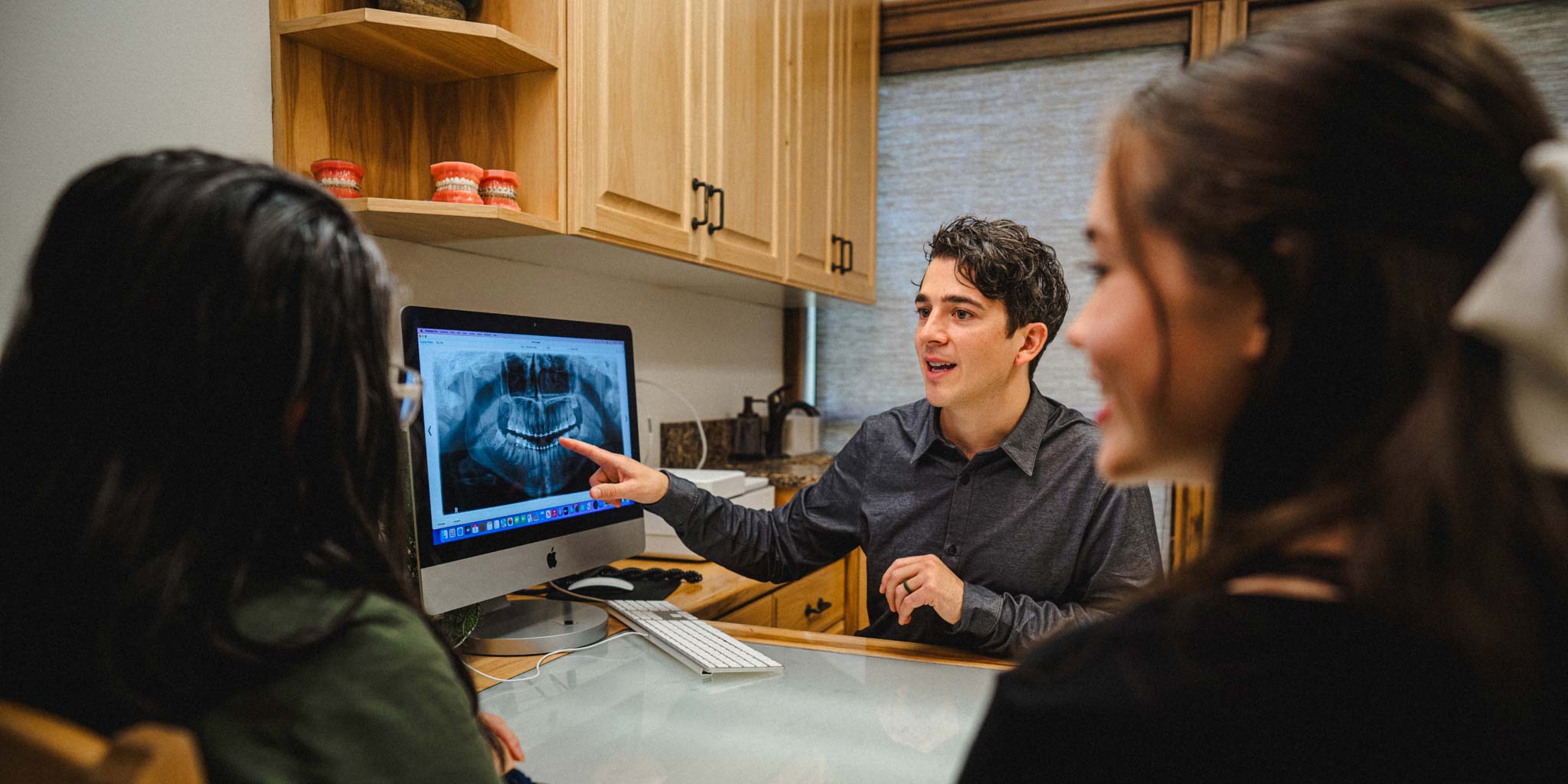
Why Patients Transfer Orthodontic Care
Life happens—sometimes unexpectedly. Whether it’s a job opportunity, military relocation, college, or a family move, there may come a time when you need to continue orthodontic treatment with a new provider in a new city.
Moving while you’re in braces or using clear aligners doesn’t have to be stressful, but it does require some planning and communication. With the right steps, you can protect your progress and keep your treatment on track.
If you're facing a mid‑treatment move, this guide will walk you through how to transfer your orthodontic care smoothly—without starting over.
Step 1: Let Your Current Orthodontist Know ASAP
As soon as you know you're moving, contact your orthodontist. The earlier you inform them, the more time they have to help with the transition.
They’ll likely:
- Schedule a final visit to assess progress
- Provide updated treatment records
- Print or transfer X‑rays, scans, or photos
- Offer recommendations for orthodontists in your new city
Some practices even have professional referral networks to help you connect with a trusted provider in your new location.
Step 2: Request a Copy of Your Treatment Records
Before you move, ask for copies of your:
- Initial and updated X‑rays or 3D scans
- Treatment plan
- Photos
- Payment and insurance information
- Any special instructions or notes for your next provider
These records are essential for ensuring a seamless transition. Your new orthodontist will use this information to understand how far along you are in treatment and what adjustments (if any) are needed.
Step 3: Research New Orthodontists in Your Area
As you get closer to your move, begin searching for orthodontists in your new city. Here are a few things to look for:
- Board‑certified orthodontist with experience in your treatment type
- Positive online reviews and patient testimonials
- Convenient office location and hours
- Willingness to work with transferred cases
- Transparent fees and payment policies
Call ahead to ask if they accept transfer patients—and whether they’re familiar with the appliance or aligner system you’re using. Some practices may even offer virtual consultations to get the process started before you move.
Step 4: Schedule Your First Visit Right Away
Once you’ve selected a new provider, don’t delay your first appointment. A gap in treatment—especially longer than 4 to 6 weeks—can cause teeth to shift, which may prolong your overall timeline.
At your initial consultation, your new orthodontist will:
- Review your records
- Conduct a clinical exam
- Evaluate your current appliances or aligners
- Outline the rest of your treatment plan
- Discuss costs moving forward
Depending on your progress, your new orthodontist may recommend continuing your existing plan or adjusting it slightly for better results.
Will I Have to Pay Again?
One of the biggest concerns patients have when moving mid‑treatment is cost. Here's what to know:
For Braces
If you’re transferring while in braces, your new orthodontist may charge a fee for continuing treatment. This can include an adjustment to cover appliances, time, and office resources. However, you usually don’t need to start over completely—especially if you have records from your original orthodontist.
For Clear Aligners
If you're using clear aligners, things can be more complicated. Since aligners are made in advance, your new orthodontist may need to reorder trays or revise your treatment plan. Depending on the provider and brand, this may require a new contract or additional lab fees.
Tip: Ask your original office if they offer a refund or pro‑rated adjustment for unused services if you paid upfront. Also, check with your insurance company about how coverage transfers or resets in your new location.
Tips to Make Your Transition Easier
Moving during orthodontic treatment can feel overwhelming, but with these tips, you can minimize disruption and keep your smile on track:
- Stay consistent with appliances — Continue wearing your braces or aligners as instructed during the move.
- Bring your supplies — Don’t forget wax, elastic bands, aligner cases, or cleaning tools in your travel bag.
- Avoid extended treatment gaps — Book your new appointment before your last one, if possible.
- Be honest with your new provider — Share your experience, concerns, and what you hope to achieve.
- Ask about final retention — If you’re close to finishing treatment, ask about retainer plans or options at your new office.
What If I’m Moving Internationally?
International moves add another layer of complexity, but you still have options. Start by asking your current orthodontist for a full summary of your case, including:
- Appliance type or aligner system used
- Treatment goals and milestones achieved
- Contact info in case your new provider has questions
Then, begin searching for a certified orthodontist in your destination country who offers similar treatment. Many orthodontic systems—like clear aligners and self‑ligating braces—are used worldwide.
If time between appointments will be longer than usual, ask your current provider about temporary retainers or extended trays to wear during your transition.
Protecting Your Progress—and Your Smile
Transferring orthodontic treatment mid‑process is a challenge, but it doesn’t mean you’ll lose progress or results. The key is good communication, proper documentation, and acting quickly to re‑establish care with a qualified provider.
Many patients successfully transfer their treatment with minimal issues—and often, your new orthodontist can build on your existing plan to ensure excellent results.
Continue Your Smile Journey with Albrechtsen & Fanelli Orthodontics
If you're moving to or within Utah and need a reliable orthodontic partner to continue your treatment, Albrechtsen & Fanelli Orthodontics is here to help. Our experienced team works with transferred patients to review records, pick up treatment where it left off, and guide you confidently toward a beautiful, healthy smile.
Contact us today to schedule your consultation and learn how we can make your orthodontic transition as smooth as possible.