
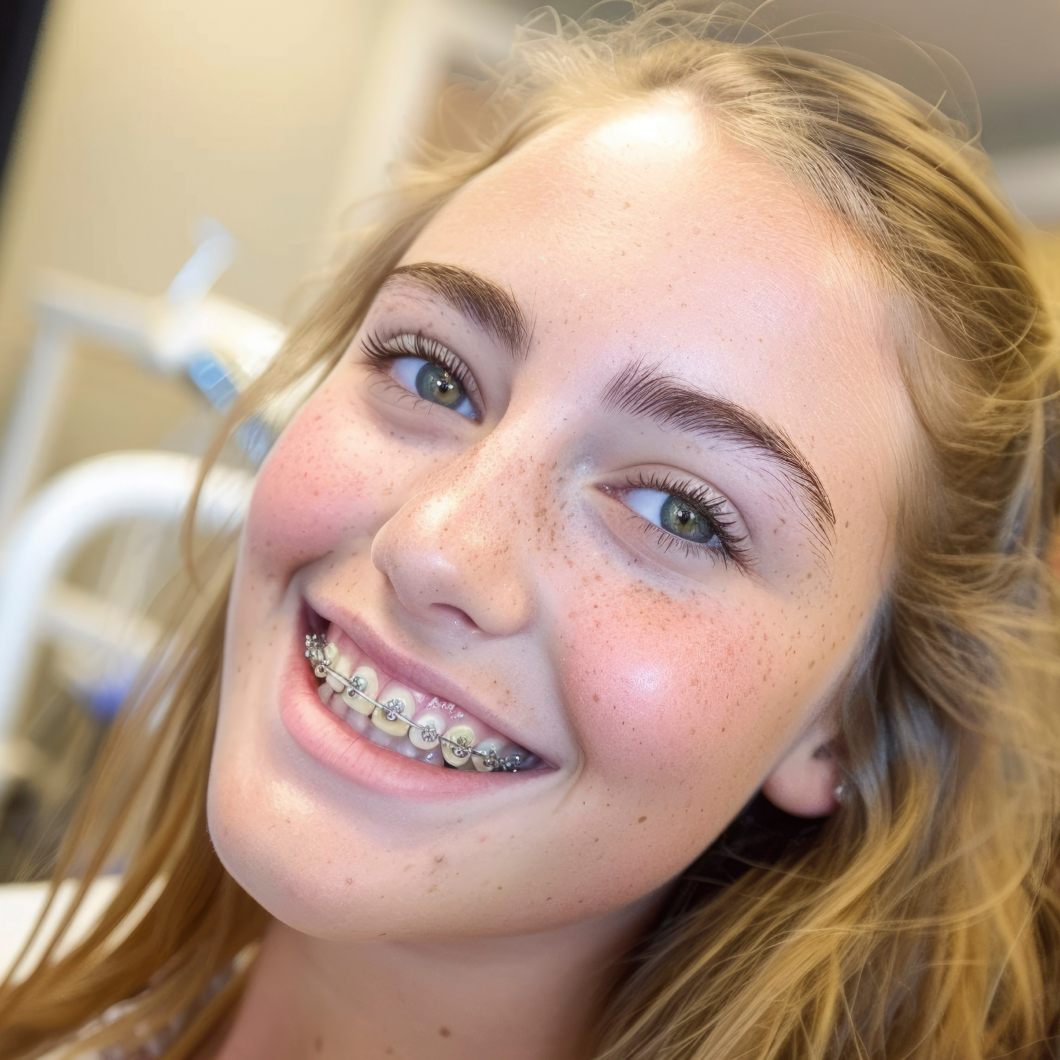
When it’s time to get braces—whether for yourself, your teen, or your child—choosing the right orthodontic office can feel overwhelming. A quick search for “braces near me” might pull up dozens of options, but not all orthodontic practices offer the same quality of care, technology, or patient experience.
Orthodontic treatment is a long-term commitment. You’ll be seeing your orthodontist regularly over months (or years), and your results will impact your oral health and confidence for life. That’s why it’s worth doing your homework to choose the right provider from the start.
Why Your Choice of Orthodontist Matters
Braces do more than just straighten teeth—they also correct bite problems, improve jaw function, and support long-term dental health. But the success of your treatment depends heavily on the provider’s skill, technology, and commitment to personalized care.
From treatment planning and progress check-ins to communication and comfort, your orthodontist plays a central role in the quality of your experience. The right office can make treatment feel smooth, supportive, and even enjoyable. The wrong one? It can lead to frustration, delays, and less-than-ideal results.
What to Look For When Choosing an Orthodontic Office
Specialized Training in Orthodontics
Not all dental professionals are orthodontists. An orthodontist is a specialist who has completed 2–3 additional years of advanced training beyond dental school to focus on tooth and jaw alignment.
Look for offices where:
- The provider is a board-certified orthodontist
- Orthodontics is the sole or primary focus of the practice
- The provider has experience with both braces and alternative treatments
Wide Range of Treatment Options
There’s no one-size-fits-all approach to straightening teeth. Depending on your age, goals, and dental needs, you may be a candidate for traditional metal braces, clear braces, or even clear aligners.
Look for an office that offers:
- Multiple types of braces (including discreet or low-profile options)
- Experience with early treatment for kids or interceptive care
- Clear explanations of each treatment’s pros, cons, and costs
Experience with Similar Cases
Whether you’re a teen needing bite correction or an adult looking for cosmetic improvement, it’s important to choose a provider who has successfully treated similar cases.
Ask about:
- The provider’s experience with cases like yours
- Before-and-after photos of similar patients
- Expected results and timelines
Use of Modern Technology
Advances in orthodontic technology can improve comfort, shorten treatment time, and produce better results. Some offices still rely on outdated techniques, while others offer cutting-edge tools for precision and convenience.
Modern features to look for:
- Digital scans (instead of traditional molds)
- 3D treatment planning
- Self-ligating braces or clear aligners
- Remote progress tracking (if offered)
Transparent Pricing and Payment Options
Cost is a major factor for most families, so it’s important to find an office that communicates clearly about what’s included—and how you can pay for it.
Ask the office:
- Do you offer free consultations?
- What’s the total cost, and what’s included?
- Are there flexible payment plans or 0% financing?
- Do you accept my insurance?
Office Environment and Patient Experience
Orthodontic care involves frequent visits over time. That means the environment and staff can significantly influence your overall experience.
During your visit, take note of:
- Cleanliness and organization
- Friendliness and professionalism of the staff
- Wait times and appointment availability
- How well they explain the treatment plan and answer your questions
Positive Reviews and Reputation
Online reviews and referrals from friends or family can give you a valuable inside look at what it’s like to be a patient at a particular practice.
Things to check:
- Google reviews and overall star rating
- Testimonials on the office’s website
- Before-and-after photos on social media
- Referrals from your dentist or local community
Red Flags to Avoid
While many orthodontic practices offer excellent care, it’s helpful to be aware of signs that a provider might not be the right fit.
Common red flags include:
- High-pressure tactics to commit quickly
- Vague pricing or hidden fees
- Lack of clear treatment plans
- Limited treatment options
- Poor communication or hard-to-reach staff
- Outdated technology or equipment
If something feels off during your consultation, it’s okay to explore other options. A second opinion is often worth the time.
Questions to Ask During a Consultation
To help you choose with confidence, prepare a few questions before your first visit.
- What types of braces do you offer, and which do you recommend for me?
- How long will treatment take?
- What’s the full cost, and are there any additional fees?
- What does follow-up care look like after braces come off?
- How do you handle emergencies or broken appliances?
The answers can give you insight into how the office operates and whether they align with your expectations.
Final Thoughts
Searching for braces near you doesn’t have to be a guessing game. By focusing on credentials, technology, patient reviews, and personal experience, you can find an orthodontic office that not only delivers great results—but makes you feel confident, informed, and supported at every step.
At Albrechtsen & Fanelli Orthodontics, we’ve helped thousands of patients across Northern Utah achieve healthier, more beautiful smiles through personalized orthodontic care. Whether you're exploring braces for yourself or a family member, our experienced team is here to guide you with expertise, kindness, and honesty. Schedule a free consultation today and let us help you take the first step toward a confident new smile!